
In New Orleans, heavy rain, storm surge, and clogged drains can put streets underwater quickly, and a parked car can end up sitting in floodwater before you even know what is happening. The first moments after you find a flooded car matter a great deal. The choices you make can decide whether the damage stays limited or becomes a total loss. This guide explains what to check first after your car has been in floodwater, what not to do, the hidden problems that can show up later, and how a mobile mechanic can help with flooded car repair in New Orleans by inspecting the vehicle and telling you honestly where it stands.
Why Floodwater Is So Hard on a Car
Modern cars are full of electronics, sensors, wiring, and computers, and most of them are not built to survive being submerged. Floodwater is not clean rainwater. It often carries mud, sewage, oil, fuel, and chemicals, and in coastal areas it can contain salt, which is especially harsh on metal and electrical connections. Water can get into the engine, transmission, differential, wheel bearings, fuel system, and the cabin. Even if a car seems fine at first, corrosion and contamination can keep working quietly and cause trouble weeks or months later. That is why a careful first response matters.
Safety First
Before you worry about the car, think about your own safety. Never walk or drive into moving or deep floodwater to reach a vehicle. Water can hide open drains, debris, downed power lines, and sharp objects, and it takes less water than most people expect to move a car or knock a person down. Wait until officials say the area is safe. Wear sturdy boots and gloves when you go to check the car, and be careful of electrical hazards if the vehicle or the surrounding area has been exposed to water. Follow guidance from local officials and your owner’s manual.
Do Not Start the Engine
This is the single most important rule. If the car has been in floodwater, especially if water reached the engine bay, the intake, or the interior, do not try to start it. Water that has entered the engine can cause a condition where the engine cannot compress the liquid, which can bend or break internal parts the moment it turns over. Turning the key can turn a repairable problem into a destroyed engine. The same goes for shifting the car into gear or trying to drive it out of a flooded spot. If the car is in standing water, it is safer to leave it where it is until the water recedes and have it towed for inspection.
Take Photos and Call Your Insurance Provider
Before anything is moved or cleaned, document the situation. Take clear photos and video of the car from every angle, the water line on the body and in the interior, the mud and debris, and the surrounding area. Note the date and the time, and keep any records you have of the car’s condition before the flood. Then contact your insurance provider as soon as you can to ask about your coverage and how to start a claim. Coverage for flood damage depends on your policy, so it is worth asking early. Your insurer will explain what happens next and whether the car should be inspected by their appraiser before work begins.
What to Check First
Once it is safe, and without starting the engine, these are the points to look at:
- How high the water reached, using the line left on the doors, the seats, and the engine bay
- Whether water got into the interior, and how deeply the carpets, seats, and dash were soaked
- Whether water reached the engine intake, the air filter box, or the exhaust
- Whether the oil on the dipstick looks milky, foamy, or has water droplets, which suggests water inside the engine
- Any signs of water in the transmission fluid, which may look milky or pink and cloudy
- Water, mud, or a musty smell inside the headlights, taillights, and other sealed parts
- Silt and debris in the engine bay, trunk, door pockets, and under the seats
- Corrosion or green and white buildup on electrical connectors and battery terminals
- Whether the doors, windows, locks, and power seats respond normally
Check fluids only if you can do so safely and with the engine off, and if you are unsure, leave it to a technician. If you see signs of water in the oil or other fluids, that is a strong reason to have the car towed instead of driven.
The Battery and Electrical System
Water and electricity do not mix, and a flooded car can have damage anywhere in the wiring. The battery may be exposed, and corrosion can start quickly, especially with salt water. Some owners choose to disconnect the battery to prevent electrical damage, but this should only be done if it can be done safely and in line with your owner’s manual, and many people prefer to leave it to a professional. Do not try repeated starts or jump starts on a car that has been flooded, because that can damage components and create safety hazards. If you want to learn more about why a car might not start in general, our guide to the top 10 reasons your car won’t start and how to get back on the road covers common causes, though a flooded car needs more caution than an ordinary no start.
Hybrid and Electric Vehicles
If your vehicle is a hybrid or fully electric, take extra care. These vehicles carry high voltage components, and water exposure can create a serious electrical hazard. Do not touch orange cables or high voltage parts, and do not attempt to charge or start the vehicle. Contact the manufacturer or a qualified technician for guidance on towing and inspection, and keep your owner’s manual handy for its instructions on flood situations.
The Brakes, Steering, and Suspension
Water can wash grease out of wheel bearings, suspension joints, and other moving parts, and it can leave silt and corrosion in the brakes. Brake rotors rust quickly after being wet, and the calipers and brake lines can be affected. Signs of trouble after a flood include grinding or squealing noises, a soft or spongy pedal, pulling, vibration, or a rough steering feel. A technician should inspect these systems before the car goes back on the road, since they are directly tied to your safety.
The Fuel System
Floodwater can enter the fuel tank through the vent or the filler, and water in fuel can cause stalling, poor running, and damage to the fuel pump and injectors. If there is any chance water reached the fuel system, it may need to be drained and inspected before the engine is run. This is one more reason not to start the car until it has been looked at.
The Interior, Airbags, and Mold
The inside of a flooded car can hold hidden problems. Carpets, padding, and seat foam soak up water and can take a long time to dry, which encourages mold and lingering odors. Wet carpet also hides rust on the floor pans. Electronic modules, including those for airbags and other safety systems, are often located under the seats or dash, where water can reach them. Damage to these modules can cause warning lights or, in the worst case, affect how safety systems work in a crash. If the interior was soaked, a professional inspection is wise. Opening the doors and windows, when it is safe, helps air things out while you wait.
Salt Water Versus Fresh Water
Both types of water cause damage, but salt water is usually worse. It speeds corrosion on metal and electrical connections and can leave a car with a long list of problems over the following months. If your car was in brackish or coastal flood water, tell the technician and your insurance provider. Our article on humidity, flooding, and rust and the car care challenges in New Orleans explains why this area is so tough on vehicles and why ongoing care matters even after a flood is over.
Signs of Hidden Damage to Watch For Later
- Warning lights that come on and off, or a dash that behaves strangely
- Electrical glitches, such as windows, locks, or lights that act up
- A musty smell, damp carpet, or foggy windows that keep returning
- Rust on seat rails, door hinges, bolts, and the underbody
- Rough running, stalling, or hard starting
- Noises from the wheels, brakes, or transmission
- Fluids that look milky, dark, or contaminated
Flood damage often appears in stages, so keep an eye on the car for a long time after the water is gone.
Should I Repair the Car or Replace It?
That depends on how deep the water got, how long the car sat in it, the type of water, the car’s age and value, and the cost and scope of repair. A car with water only reaching the lower body may recover with an inspection and some services, while one that was fully submerged can have damage that goes through the entire vehicle. Your insurer may decide whether a car is repaired or declared a total loss, based on the policy and the assessed damage. A technician’s inspection can give you useful information to support your decision, but the final call involves your insurer and your own judgment.
Can a Mobile Mechanic Help After a Flood?
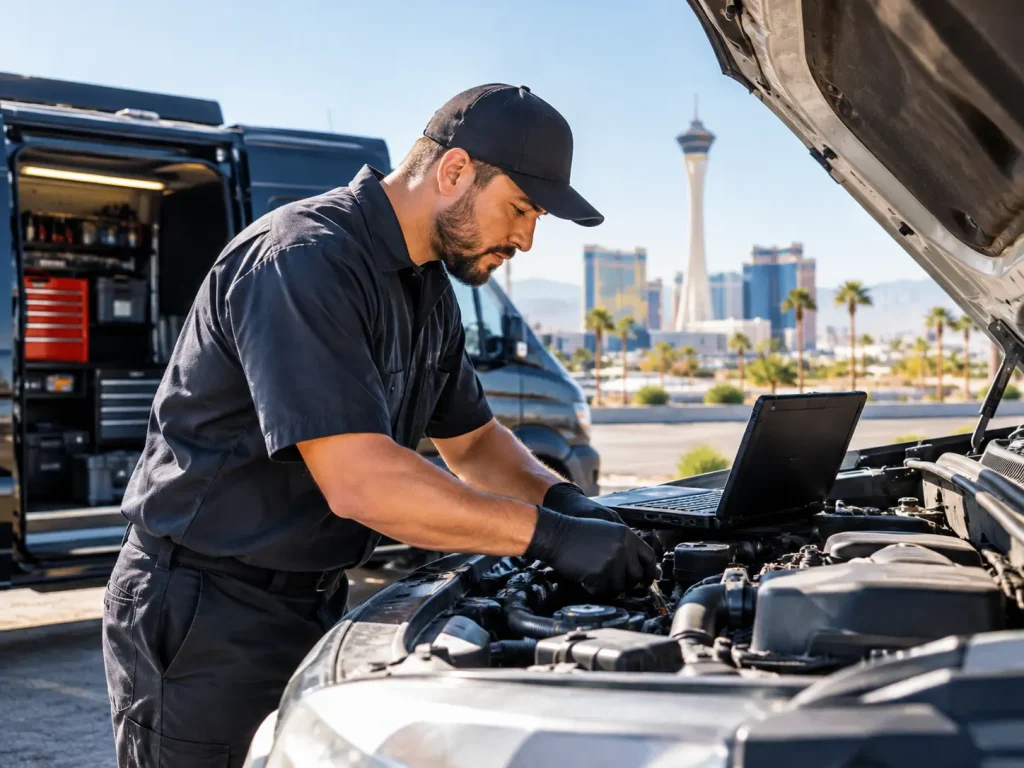
In many cases, yes. A mobile mechanic can come to your home or workplace in the New Orleans area, inspect the car without starting it, check the fluids for signs of water, look over the battery and electrical connections, evaluate the brakes and suspension, and give you an honest picture of what they find. They can also handle many repairs and services on site once it is safe, such as fluid changes, battery replacement, and brake work. Major flood damage, such as water inside the engine or transmission, extensive electrical damage, or work that needs a lift or specialized equipment, may need a full shop, and a trustworthy technician will tell you when that is the case. When you book, describe how high the water got, how long the car sat in it, and whether anyone has tried to start it, along with your vehicle’s year, make, model, and mileage.
A Quick Flooded Car Checklist
- Stay safe and wait until floodwater is gone before approaching the car
- Do not start the engine, shift gears, or try to drive
- Take photos and video of the car and the water line
- Contact your insurance provider to discuss coverage
- Check the oil and other fluids only if safe, and look for milky or cloudy signs
- Avoid jump starting or repeated attempts to start
- Take extra care with hybrid and electric vehicles
- Have the car towed and inspected before it is driven
- Watch for electrical, rust, and mold problems in the weeks that follow
Act Early and Avoid Costly Mistakes
A flooded car is stressful, but slowing down and following the right steps can protect both your safety and your options. The most expensive mistake is turning the key too soon. If your car has been in floodwater, get it inspected before you try to start it.
To learn more about our services, visit our homepage. If your car has been in floodwater, reach out through our contact us page and we will come to you anywhere in the New Orleans area.